
Benchmark Scores
Know Where You Stand
Benchmark is our scoring system that evaluates your bid based on clarity, competitiveness, and completeness—so you’re never left guessing.
Score Tiers
Competitive
Your bid was competitive and aligned with market expectations.

What it means
Your bid is right on target—clear, complete, and priced appropriately for the scope. It reflects a strong understanding of the project and communicates professionalism. General Contractors view this as a dependable submission that’s easy to work with and unlikely to cause issues down the line.
Why it matters
General Contractors are juggling dozens of bids and timelines. When your submission is competitive, it signals that you’ve done your homework, understand the scope, and are serious about winning the job. It builds trust and positions you as a reliable partner who won’t need hand-holding or constant clarification.
Above Average
Your bid was above the average range for this scope, raising concerns about pricing accuracy.

What it means
Your bid is slightly higher than the average. It may reflect premium materials, higher labor rates, or a more detailed scope. General Contractors may still consider it if the value is justified.
Why it matters
General Contractors want to understand the “why” behind your pricing. If it’s higher, they need to see the added value. If it’s lower, they want reassurance that nothing critical was missed. These bids can still win—but only if they’re backed by clear communication and thoughtful justification.
What You Could Improve:
Add notes explaining pricing differences
Clarify inclusions and exclusions
Double-check that all scope items are accounted for
Below Average
Your bid was significantly lower than others, raising concerns about scope coverage.
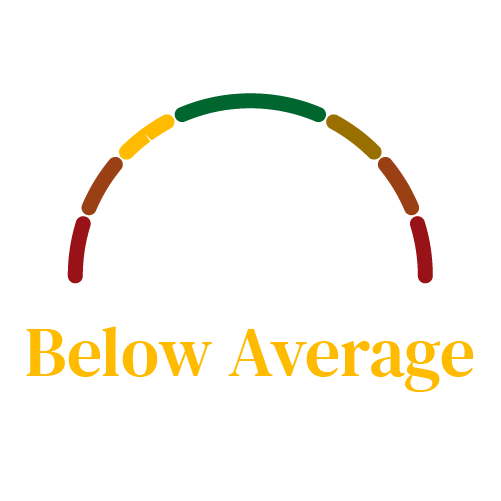
What it means:
Your bid is slightly lower than the average. It could be competitive, but it may raise questions about missing scope or underestimated costs.
Why it matters
GCs want to understand the “why” behind your pricing. If it’s higher, they need to see the added value. If it’s lower, they want reassurance that nothing critical was missed. These bids can still win—but only if they’re backed by clear communication and thoughtful justification.
What You Could Improve:
Add notes explaining pricing differences
Clarify inclusions and exclusions
Double-check that all scope items are accounted for
Above Market
Your bid exceeds the typical market value of the scope, raising concerns about perceived profit margins.

What it means
Your pricing is significantly higher than what General Contractors typically see for similar projects. This may suggest overestimation, lack of market awareness, or risk padding.
Why it matters
General Contractors are under pressure to keep projects on budget. Bids that fall far outside the norm—either high or low—raise red flags. They want to avoid surprises, change orders, or delays caused by unrealistic pricing. These bids often get skipped unless they’re backed by strong rationale.
What You Could Improve
Research local market rates and adjust accordingly
Break down pricing to show value
Avoid vague or overly padded line items
Below Market
Your bid was lower than the market value, raising concerns about scope coverage or quality.

What it means
Your pricing is far below standard. General Contractors may worry about feasibility, missing scopes, or future change orders.
Why it matters
General Contractors are under pressure to keep projects on budget. Bids that fall far outside the norm—either high or low—raise red flags. They want to avoid surprises, change orders, or delays caused by unrealistic pricing. These bids often get skipped unless they’re backed by strong rationale.
What You Could Improve
Research local market rates and adjust accordingly
Break down pricing to show value
Avoid vague or overly padded line items
Uncompetitive
Your bid is unusually high/low, which may reflect misunderstanding or misestimation of project requirements.


What it means
Your bid is missing key details, priced far outside the norm, or lacks clarity. General Contractors often skip these bids due to risk, confusion, or lack of trust.
Why it matters
General Contractors don’t have time to chase down missing info or decipher vague submissions. An uncompetitive bid suggests you’re either not serious about the job or not equipped to handle it. It’s a missed opportunity that could’ve been avoided with better preparation and presentation.
What You Could Improve:
Review your bid for missing sections or vague descriptions
Use a consistent format that’s easy to read
Ask clarifying questions about the plans if you don’t understand it
Don’t Give Up Hope—You May Still Be Able to Revise Your Bid
A low score doesn’t mean the door is closed. It means there’s room to improve.
Even if your initial bid didn’t hit the mark, we believe in second chances. Benchmark is designed to help you learn, adjust, and grow. If your score flagged missing details, pricing misalignment, or scope confusion, you may be eligible to revise and resubmit. We’ll guide you through what needs improvement so your next bid is stronger, clearer, and more competitive.
Check your Benchmark Email for a Revise By Date.